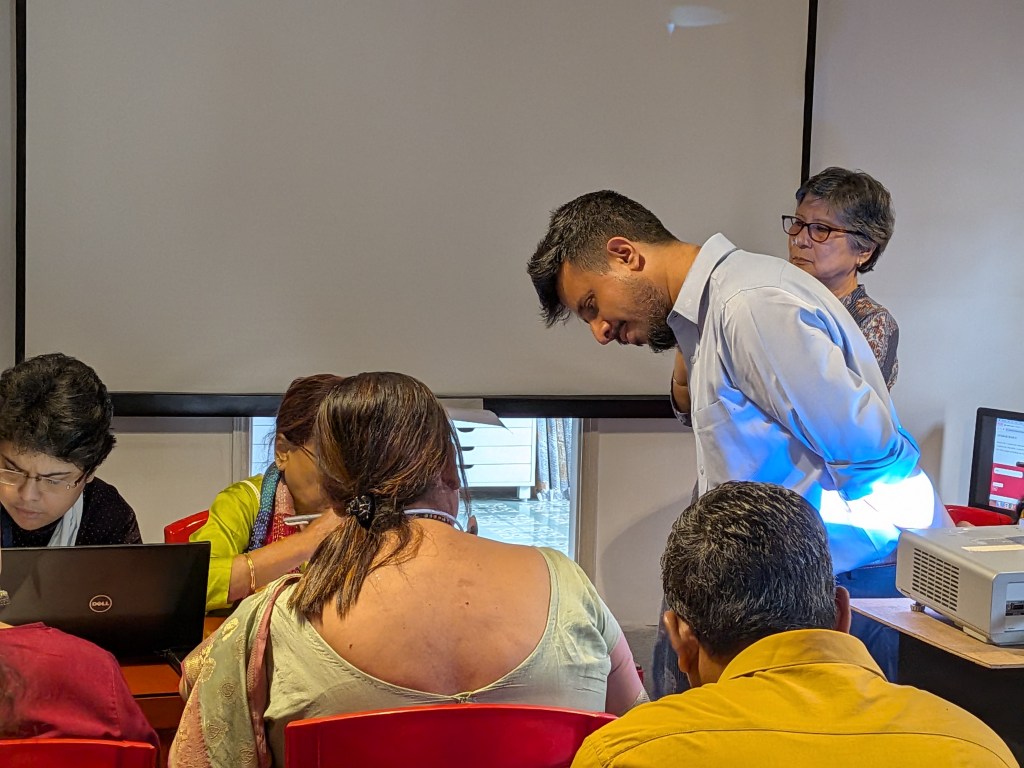
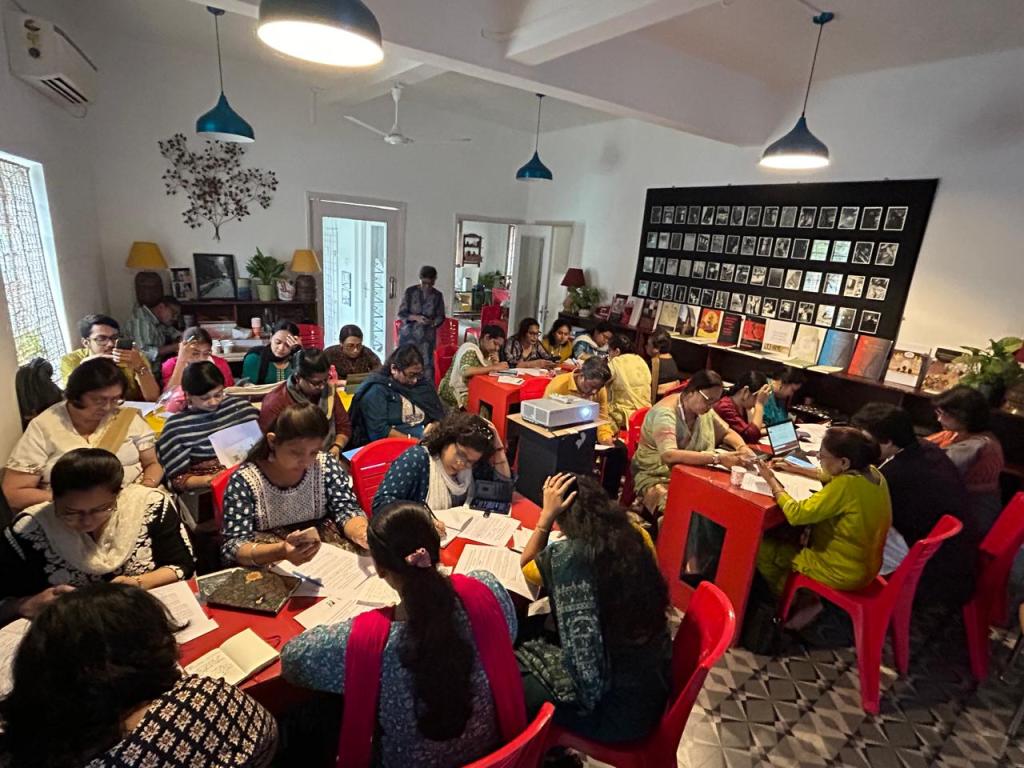
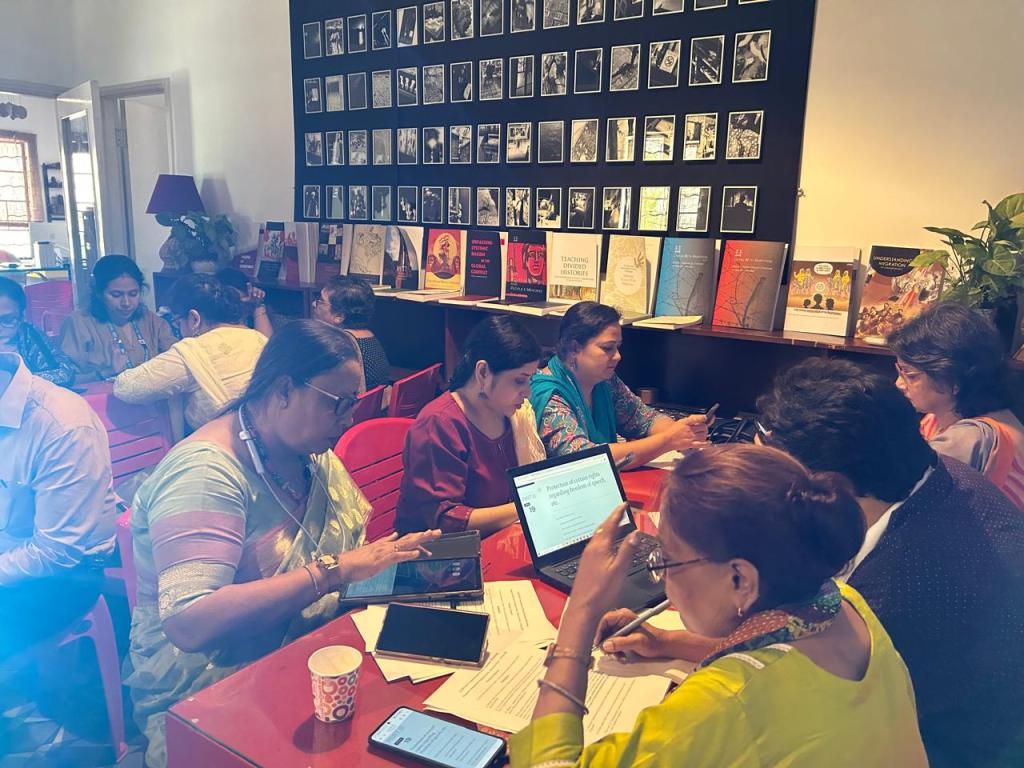
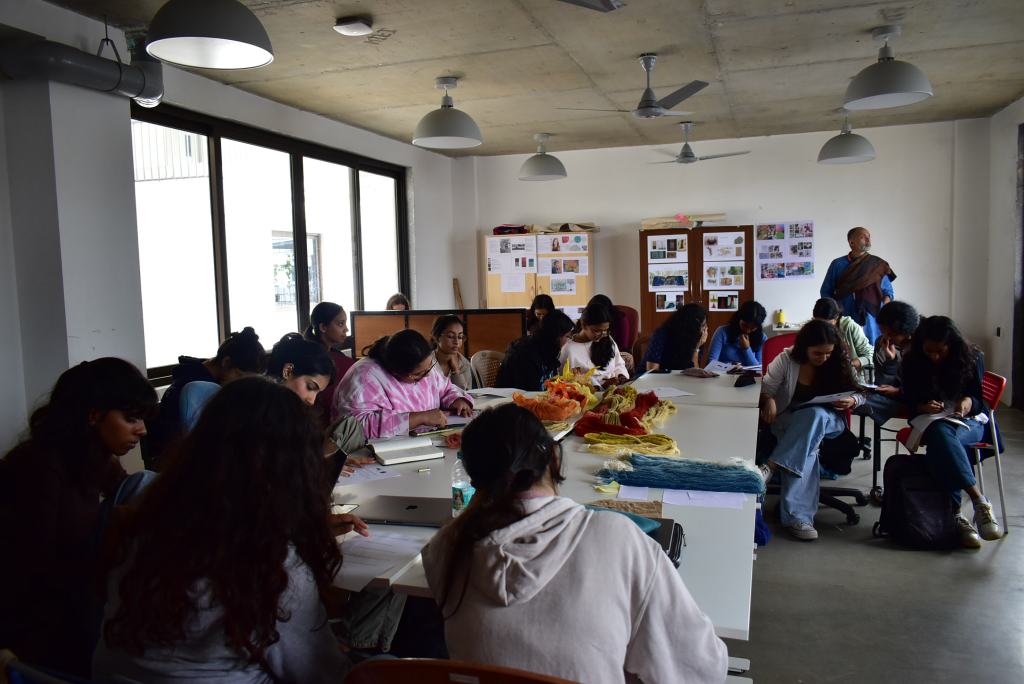
CLPR Senior Research Associate & Editor Vineeth Krishna conducted a PACT Constitutional History Education Workshop for 30 school teachers from various Kolkata schools. The workshop was organised in collaboration with the Progressive Educational Techniques Society (PETS) and the Seagull Foundation for the Arts, Kolkata on 13th September 2025. The session explored India’s constitutional history, shared effective pedagogical methods for teaching constitutional topics, and discussed key challenges faced by teachers in the classroom.
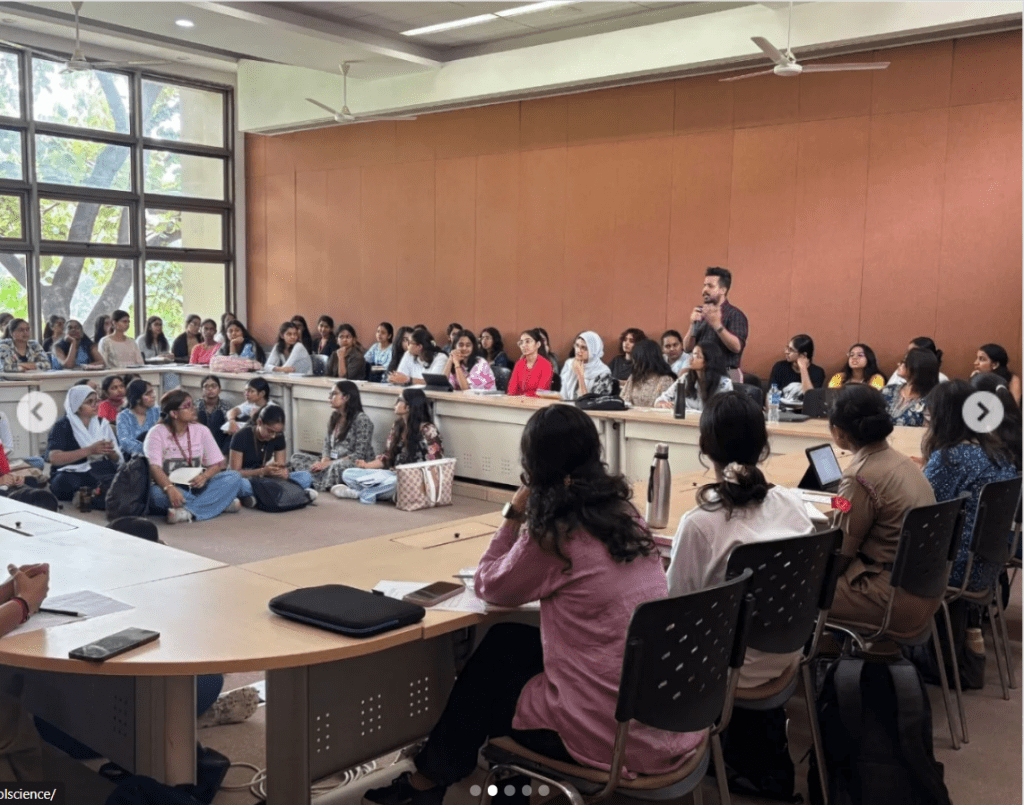
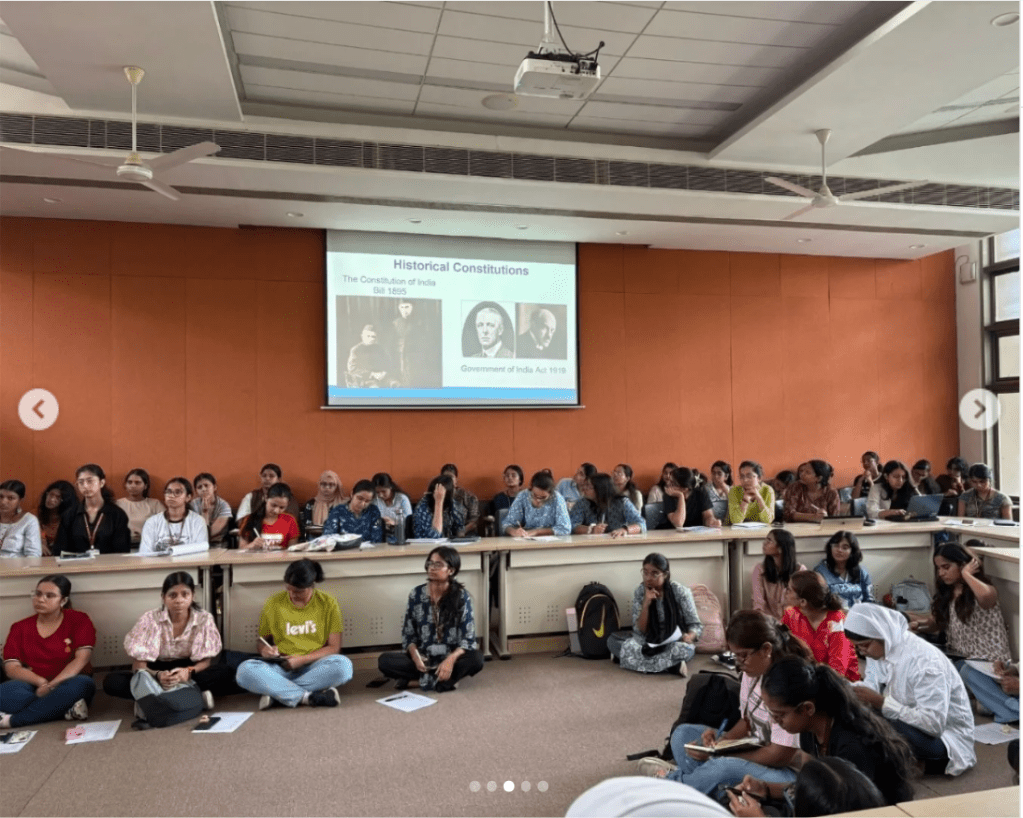
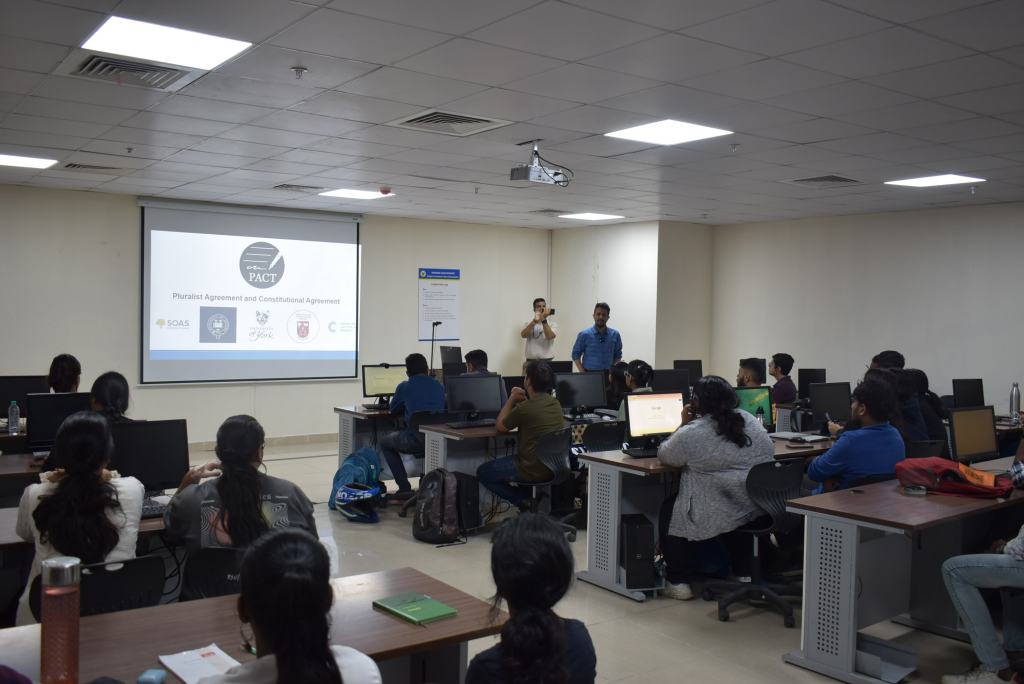
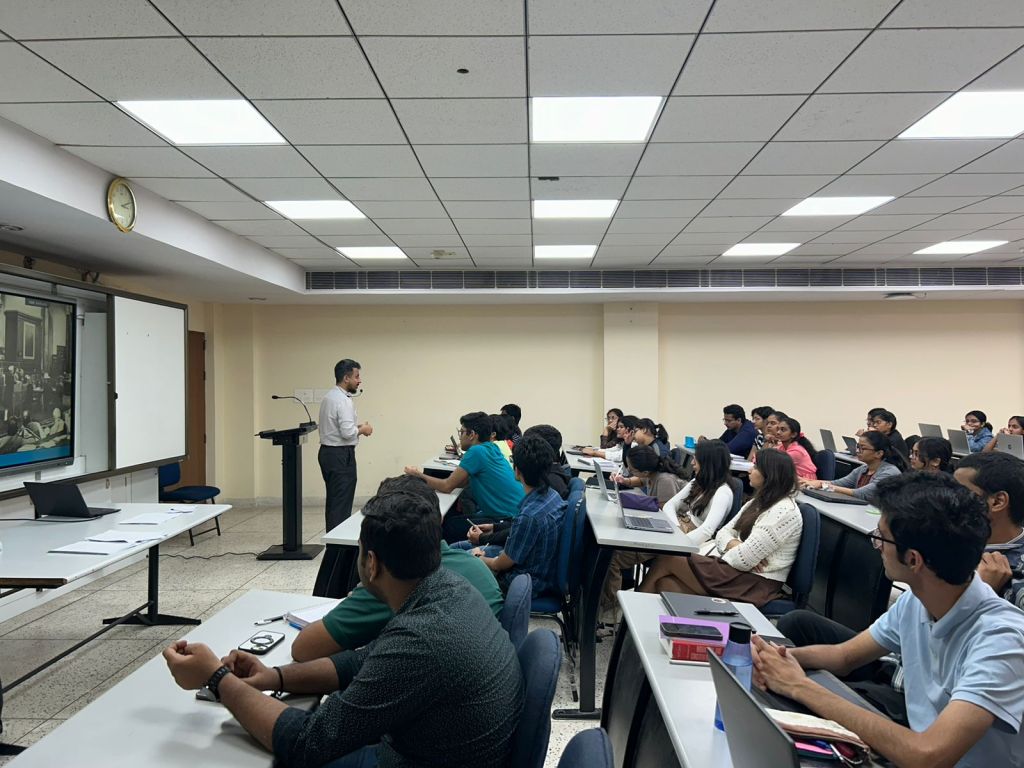
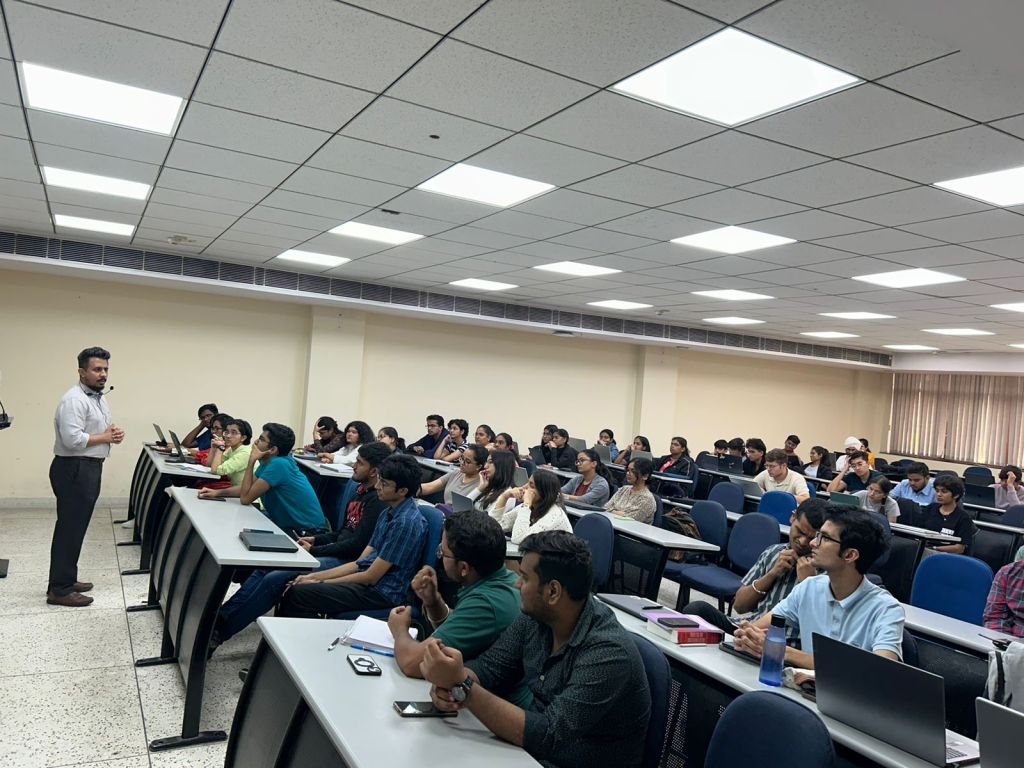
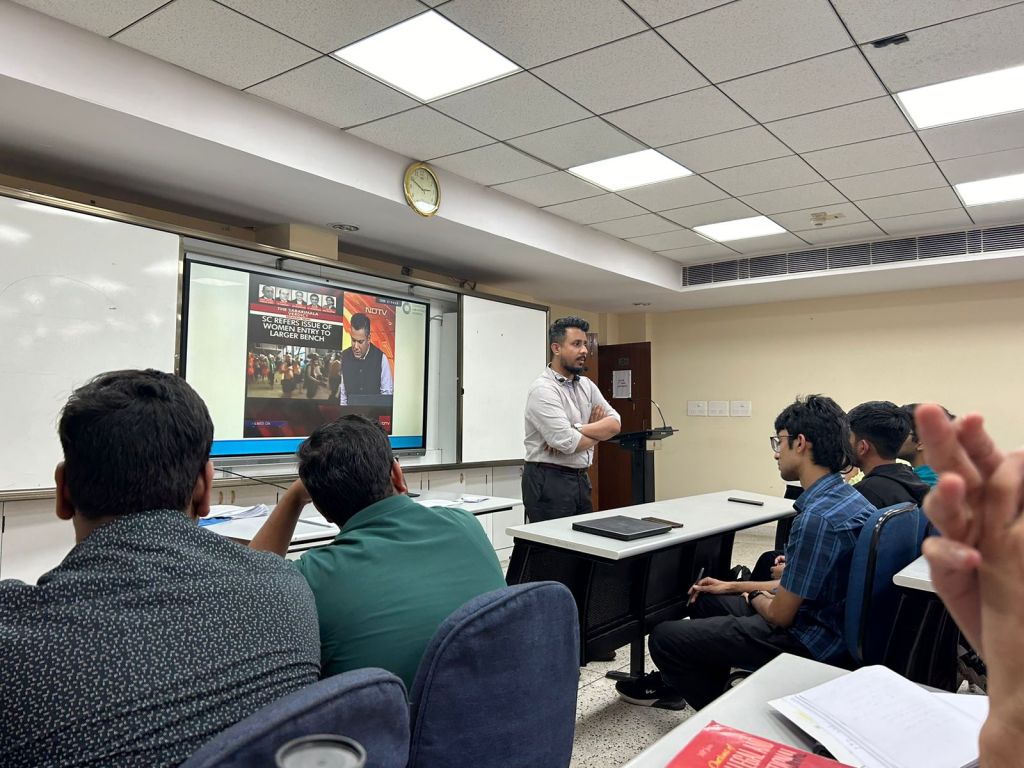
CLPR Senior Research Associate & Editor Vineeth Krishna along with Professor Rochana Bajpai of SOAS, University of London, conducted a PACT Constitutional History Workshop for students at Lady Shri Ram College for Women (LSR), New Delhi on 28th August 2025. The workshop explored India’s constitutional history, tracing the ideas and traditions that shaped the country’s constitutional imagination and their relevance to contemporary debates. The workshop was organised in collaboration with LSR’s Department of Political Science.
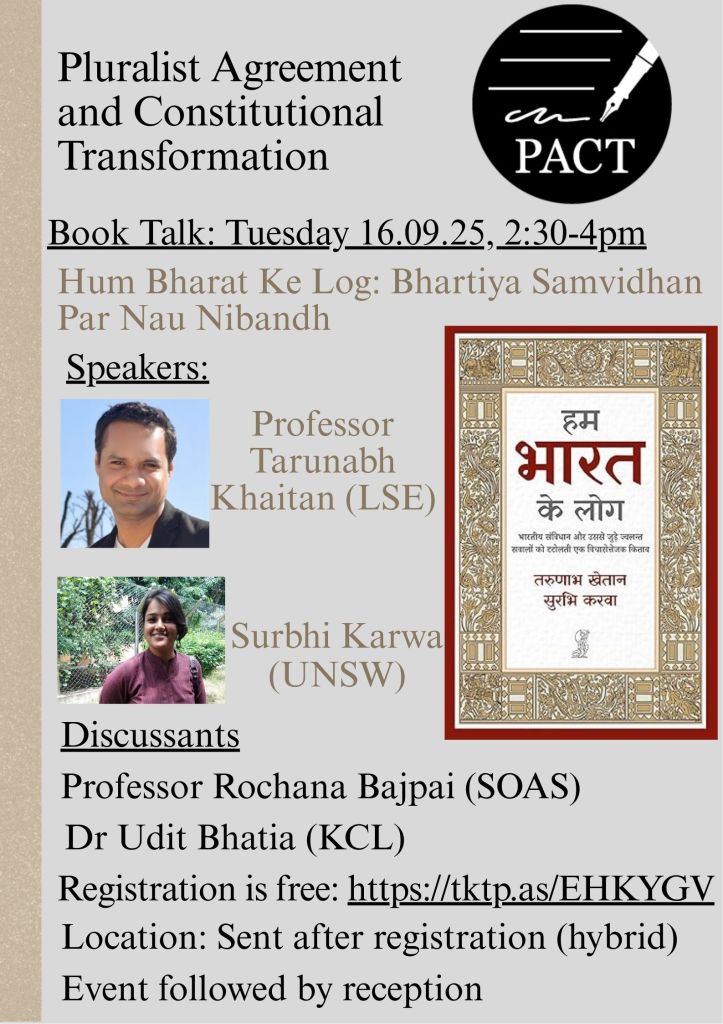
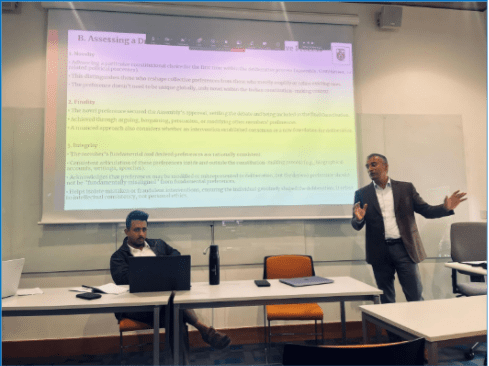
16 Sept 2025: The PACT project hosted a Book Talk by Professor Tarunabh Khaitan (LSE) and Surbhi Karwa (UNSW) on their book Hum Bharat Ke Log: Bharatiya Samvidhan par Nau Nibandh at SOAS. The event was attended by 40 people, both online and in person. Professor Rochana Bajpai (SOAS) and Dr Udit Bhatia (KCL) served as panel discussants. The event was followed by a reception and a tour of the Exhibition After the Assembly: Constituting India at the SOAS Gallery.
SOAS, University of London organised a conference on Sept 5th and 6th, 2025, at London as part of the Pluralist Agreement and Constitutional Transformation (PACT) project. The Conference had opening and closing keynotes by Prof Rochana Bajpai and Prof Richard Albert respectively, and hosted 20 panelists from UK, India and abroad, who presented their papers across three panels, a book talk, roundtable and a film screening.
The conference explored Indian constitution-making as a process of reaching pluralist agreement between contending actors and constitutional transformation over time. The theme Constitution-Making as an Ongoing Conversation guided two days of rigorous debate, comparative perspectives, and public engagement.
Dr Ambedkar and the Constitution-making
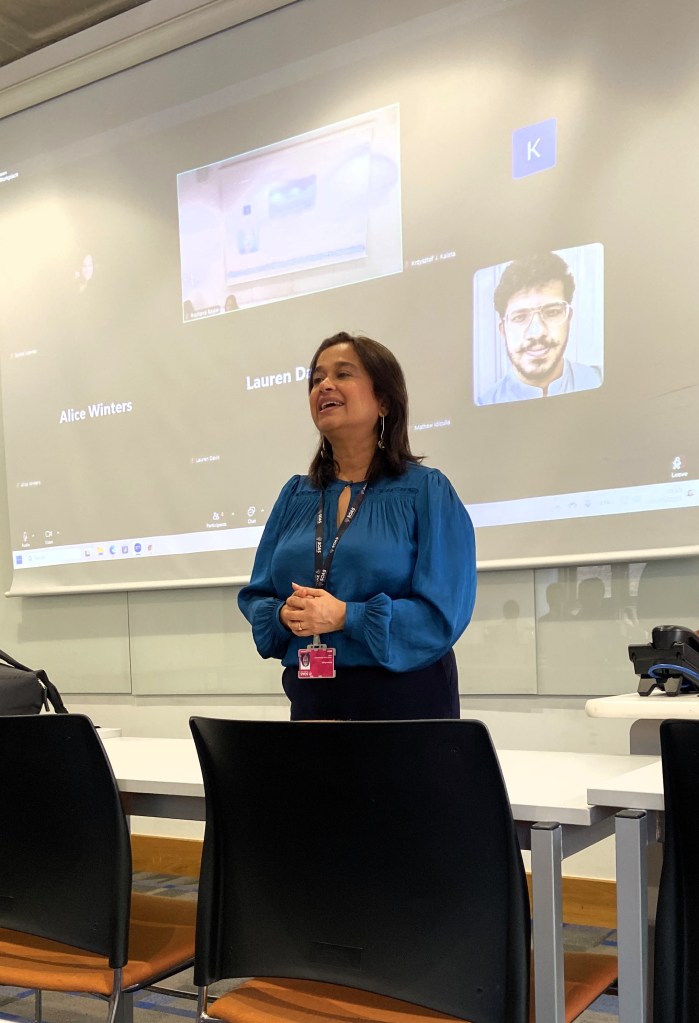
The conference opened with Professor Rochana Bajpai, who introduced the PACT Project, the organising team, and the guiding theme of Constitution-Making as an On-going Conversation. After opening and welcome remarks by Prof Rochana Bajpai the day kicked off with its first panel which featured the following papers:
Professor Sudhir Krishnaswamy on “Deliberation in Indian Constitution-Making: Clarifying Ambedkar’s Role”,
Vineeth Krishna on “Against the Constituent Assembly: M.N. Roy and B.R. Ambedkar on Constitution-Making.”
Comparative Threads: Spain, Poland, Hong Kong
We moved into comparative explorations, with José Miguel Núñez Dávila (Spain), Krzysztof J. Kaleta (Poland), and Sze Hong Lam (Hong Kong), chaired by Professor Christina Murray.
‘Amnesty in Spain. The interpretation of a constitutional silence’ – José Miguel Núñez Dávila (University of Seville).
‘Constitution-Making as Reflexive Conversation: In search of a new balance between constituent and constituted powers in Poland’ – Krzysztof J. Kaleta (University of Warsaw)
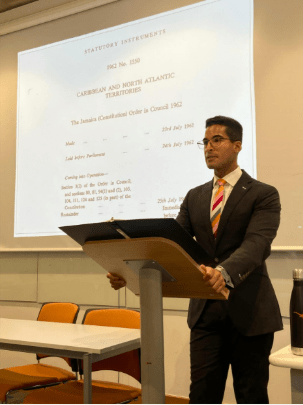
‘The making of an ‘internationalised’ constitution: Re-visiting the British influence behind the drafting of the Hong Kong’s Basic Law’ – Sze Hong Lam (Leiden University)
Manuscript Panel: Dr Udit Bhatia – Democracy’s Unfinished Business
This session spotlighted Dr Udit Bhatia’s manuscript Democracy’s Unfinished Business, with commentary from Elena Ziliotti, Loubna El Amine, and Vatsal Naresh.
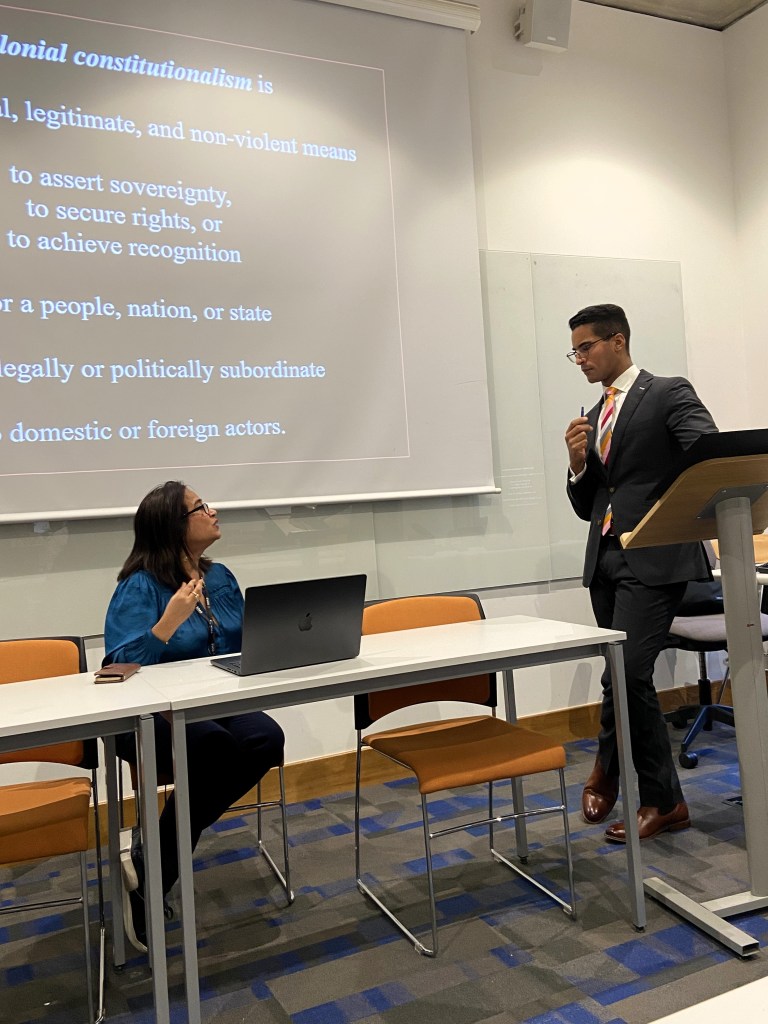
Keynote: Professor Richard Albert on Decolonial Constitutionalism
The first day closed with a keynote lecture by Professor Richard Albert titled “Constitution Without Revolution: A Theory of Decolonial Constitutionalism.”
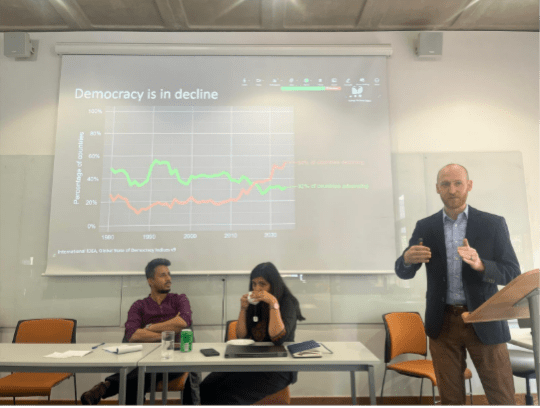
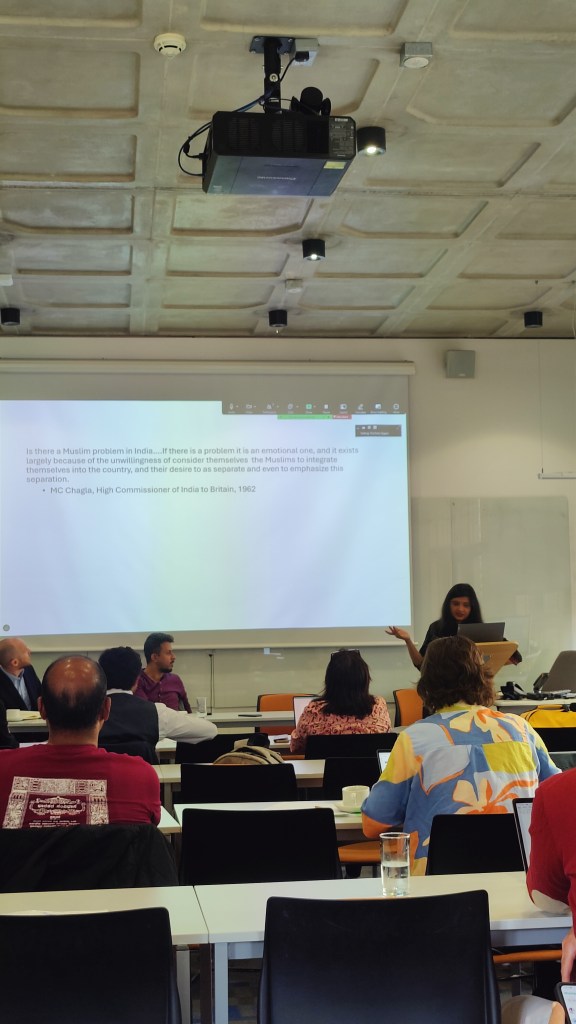
Caste, Gender, & Democratic Decline
The second day of the conference opened with panels on communal quotas, caste, gender, and concerns of democratic decline. Presenters included Dr Shireen Azam, Dr Alexander Hudson, Surbhi Karwa, Mathew Idiculla, and Asang Wankhede
Film and PACT Digital Platform
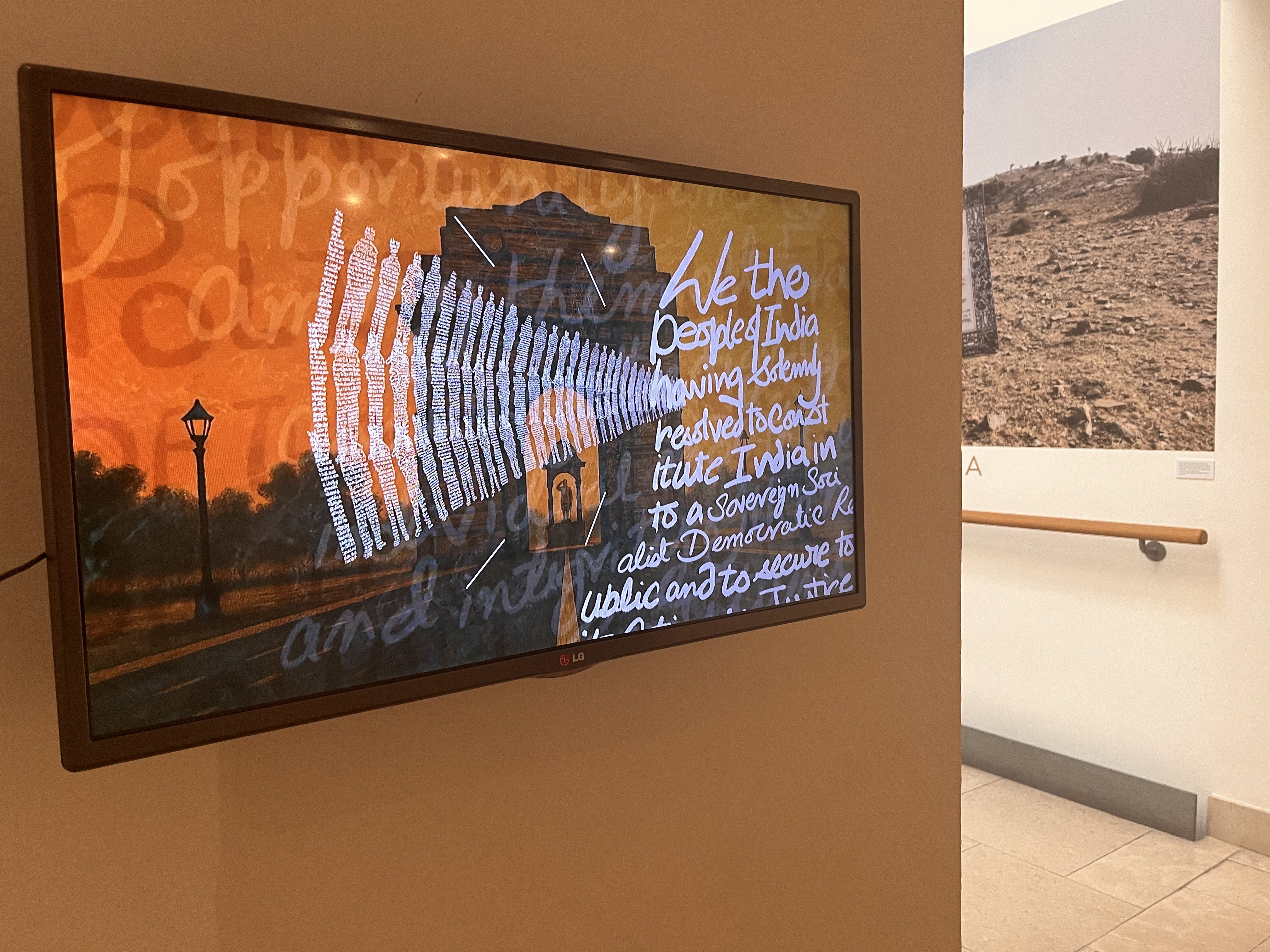
We screened the film Constitutional Pledges created by filmmaker Shaaz Ahmed. The film was followed with a discussion moderated by Dr Udit Bhatia. This film is available on our Youtube page:
Another film titled The Constitution and The People, also created by Shaaz Ahmed can be viewed here:
In the final session, Nicholas Cole and Lauren Davis Jarnach presented PACT’s new digital platform on the Indian Constitution.
Exhibition Walkthrough
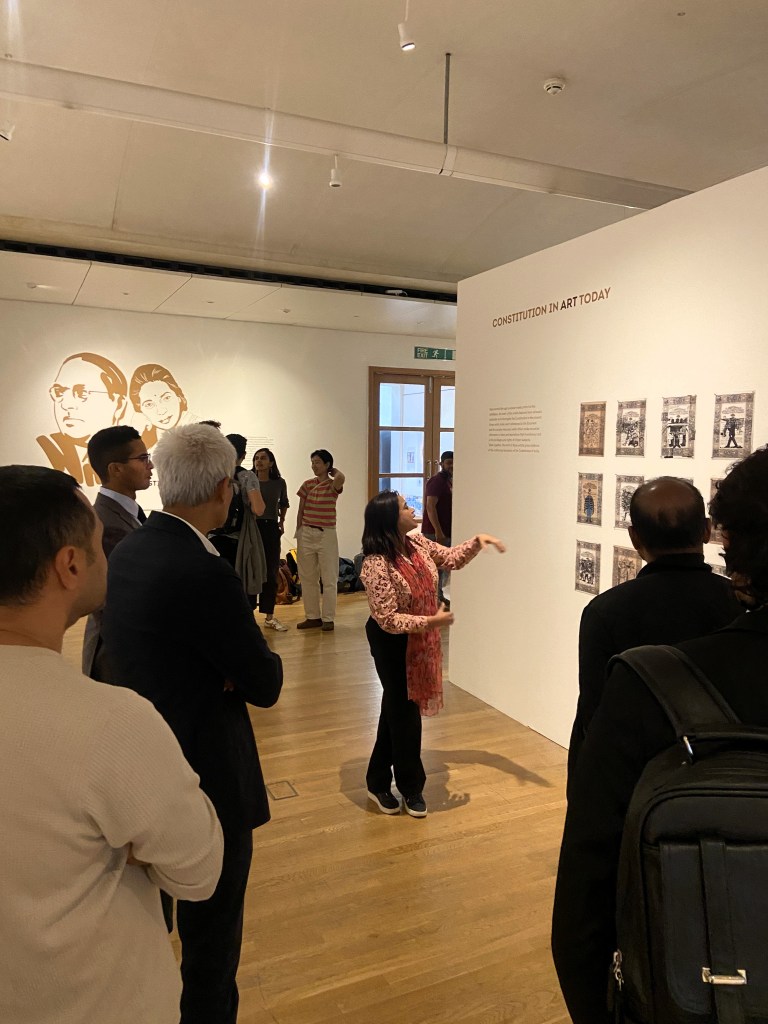
The conference concluded with a walkthrough of our exhibition led by Professor Rochana Bajpai: After the Assembly: Constituting India at the SOAS Gallery
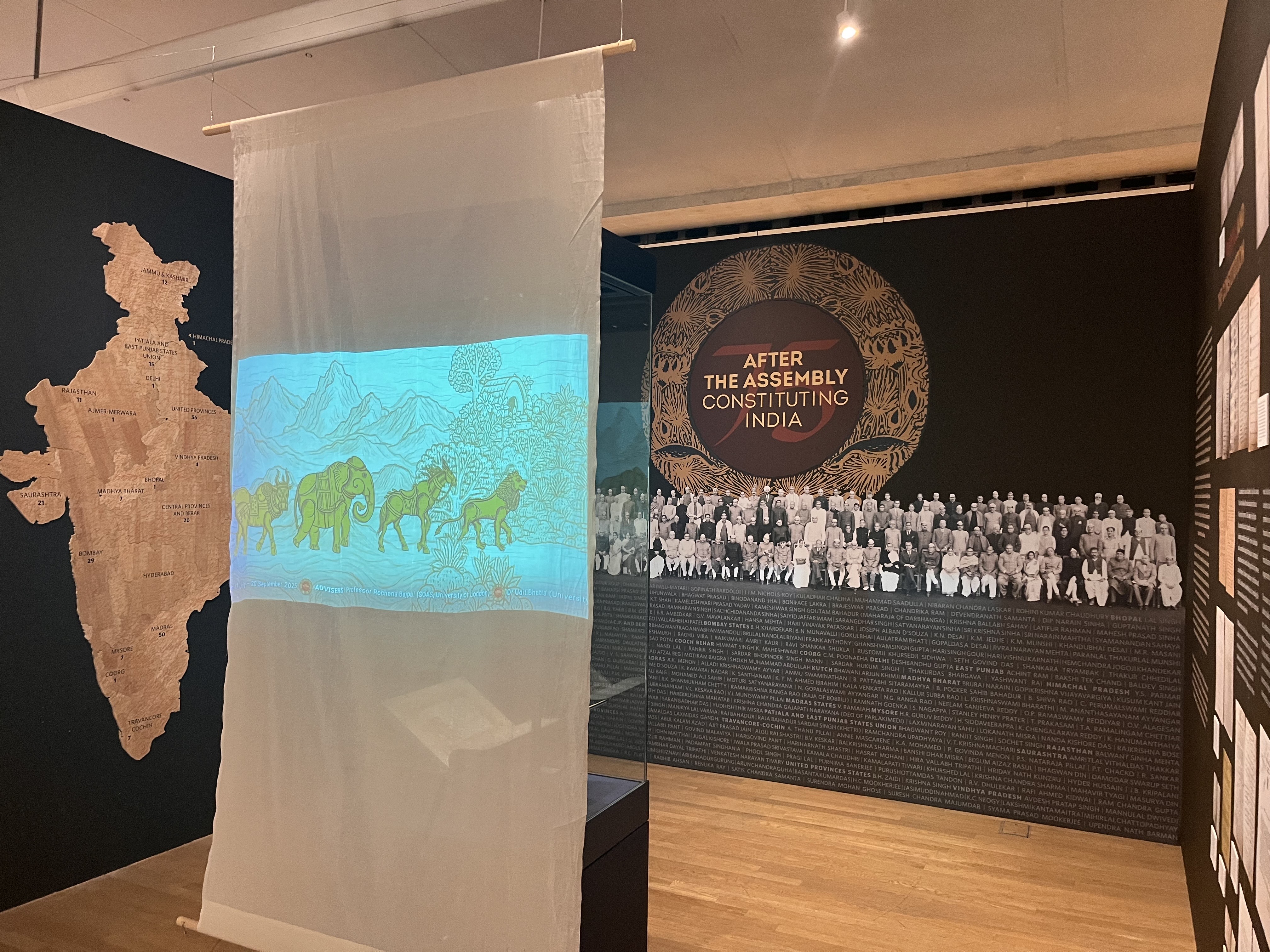
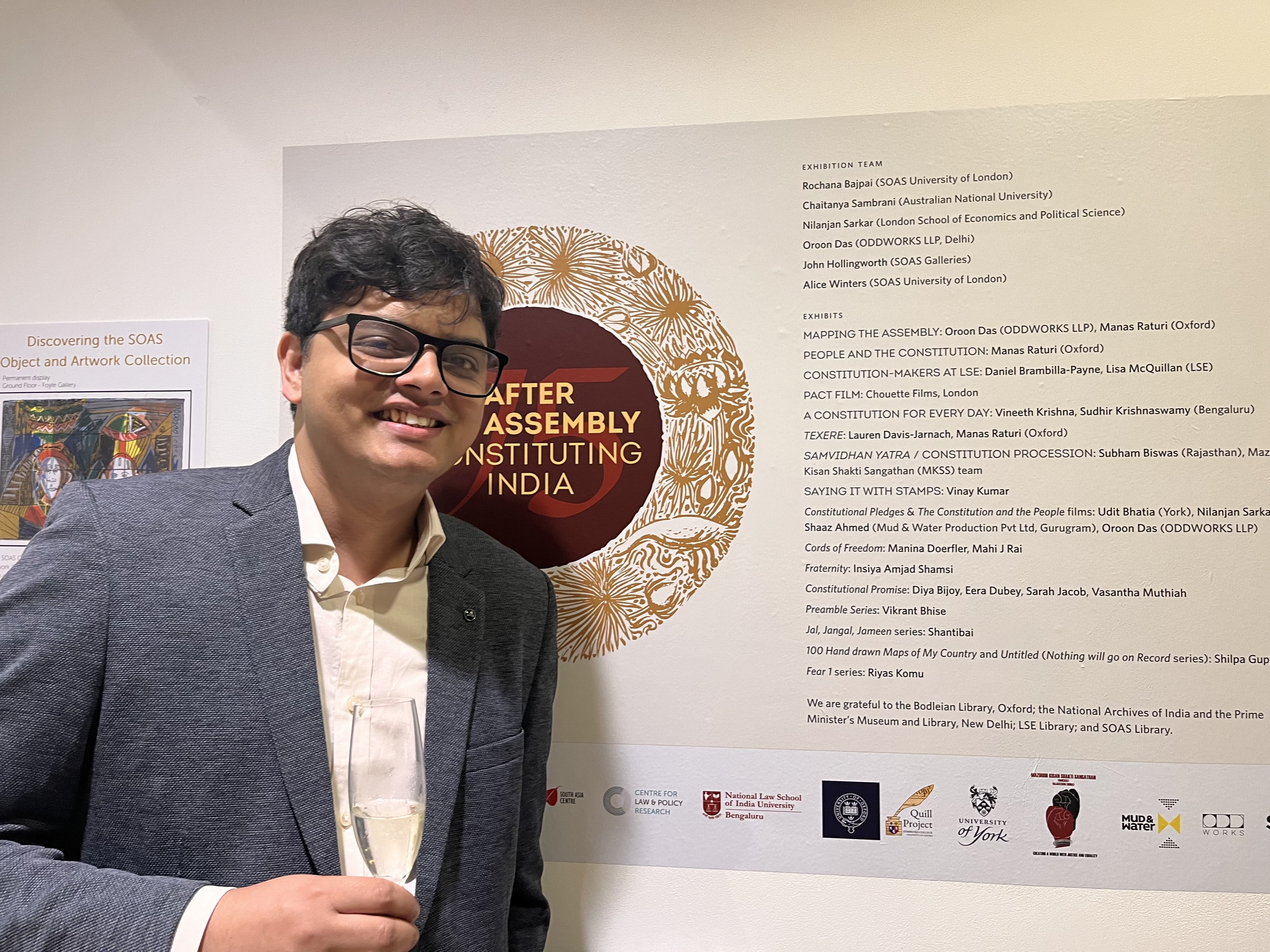
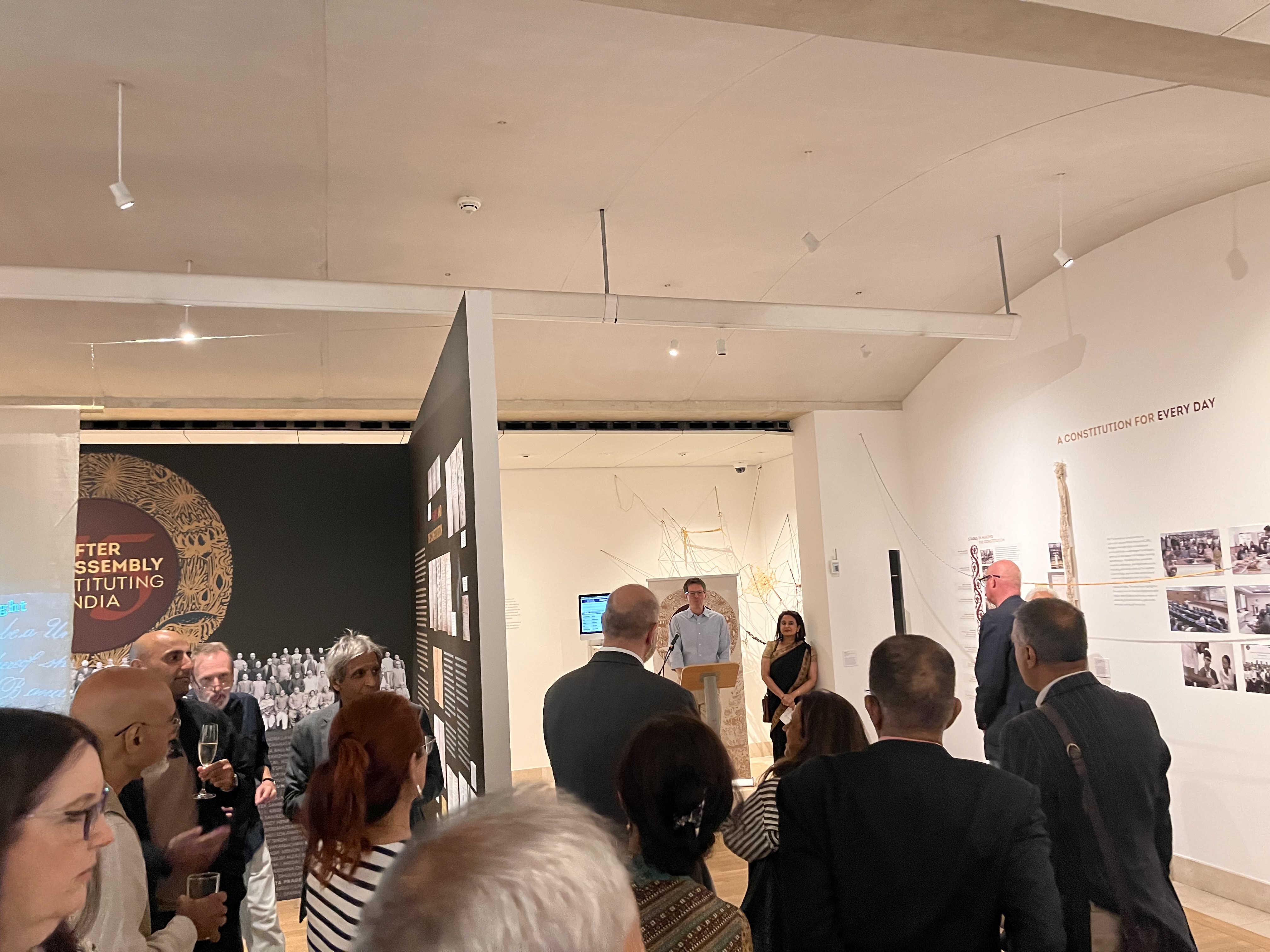
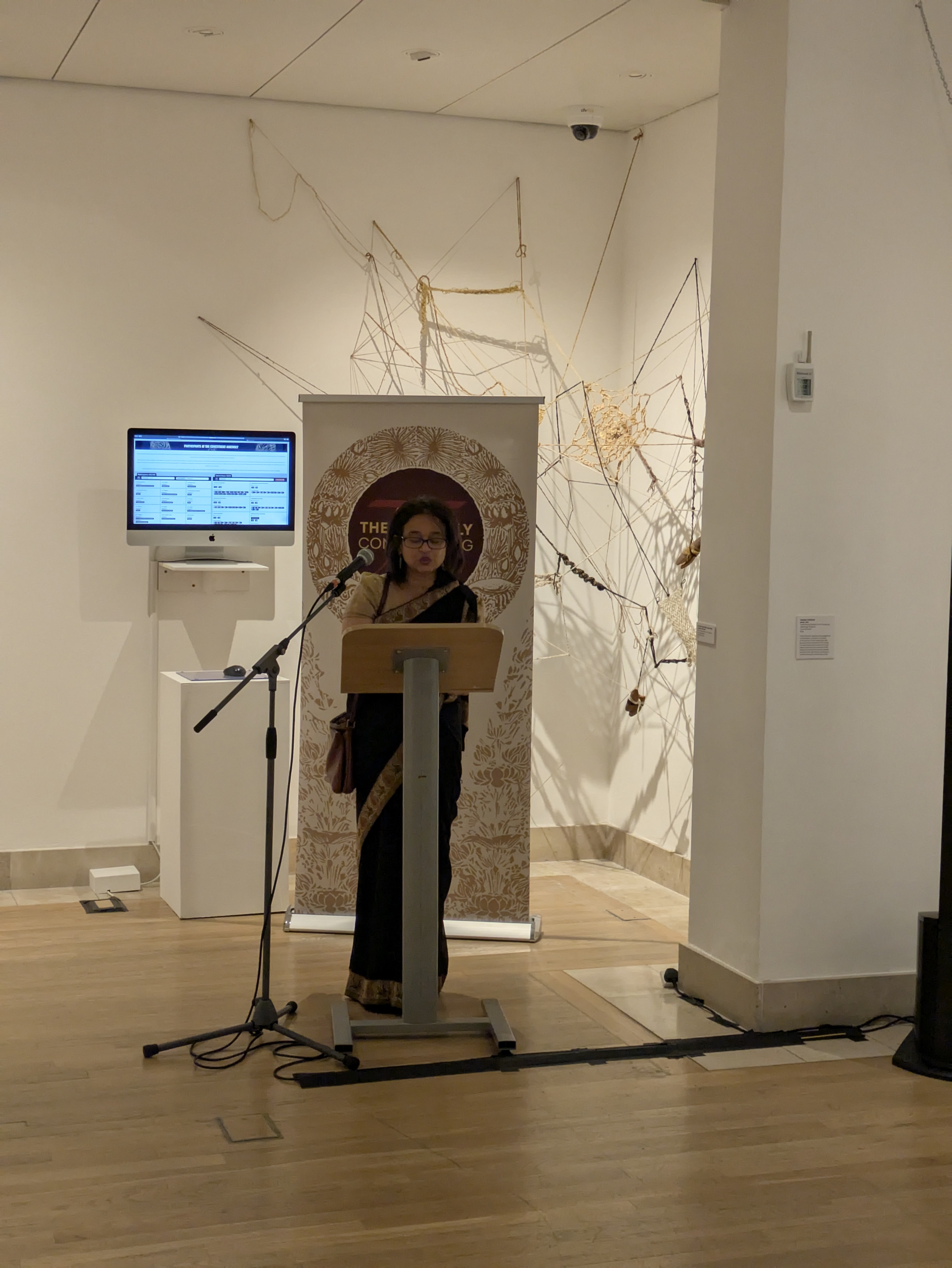
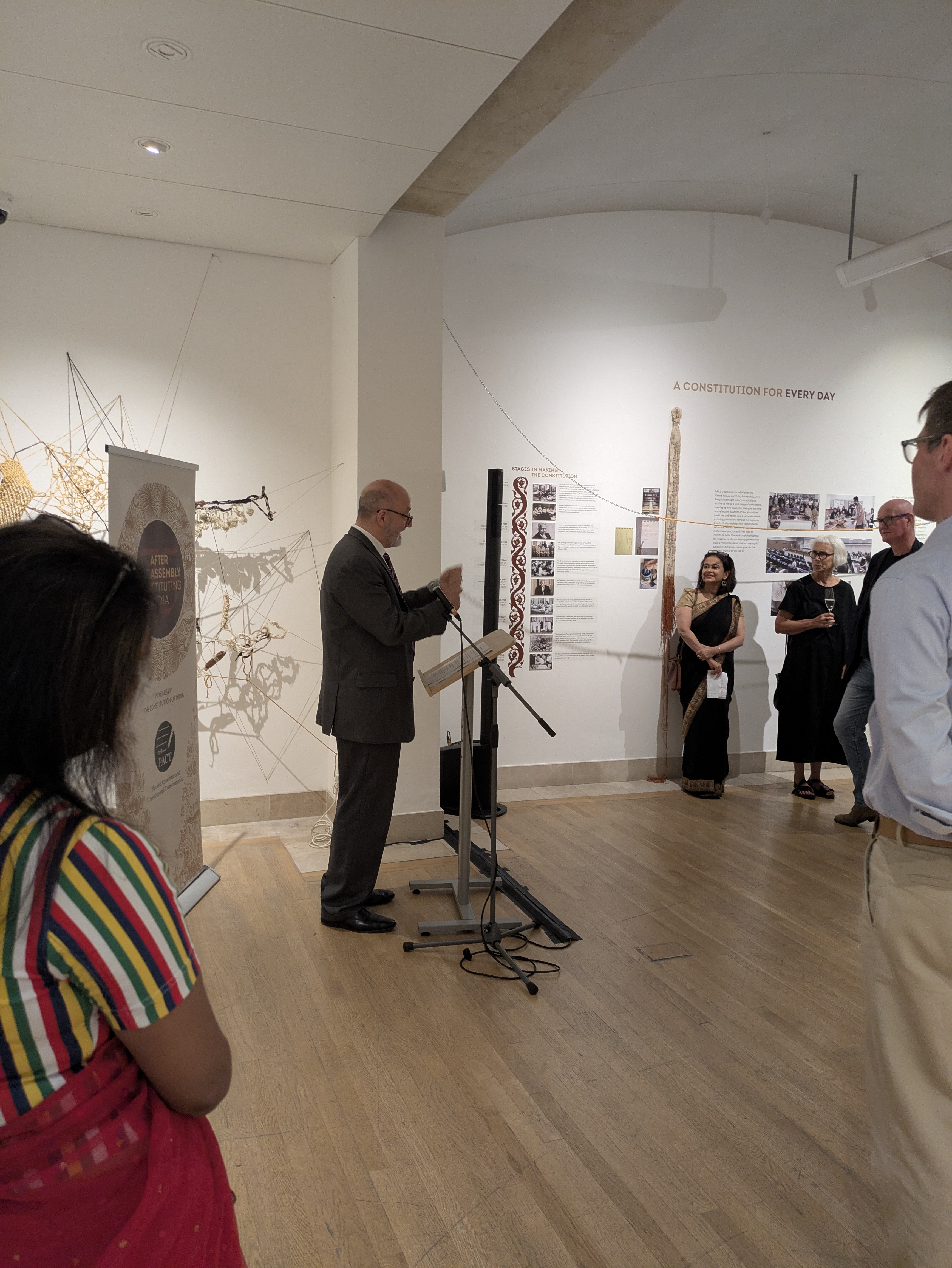
On 22 July, the SOAS Gallery hosted the launch of After the Assembly: Constituting India, an exhibition produced by Pluralist Agreement and Constitutional Transformation (PACT) to mark 75 years of the Indian Constitution. Drawing on archival materials, research collaborations, and contemporary artistic responses, the exhibition invites reflection on how India’s Constitution was debated, drafted, and continues to be re-imagined Speaking at the inauguration, SOAS Director Professor Adam Habib and LSE President Professor Larry Kramer both emphasised the importance of revisiting constitutional histories at a time when their meaning and ownership remain under contestation. Professor Rochana Bajpai, Principal Investigator, PACT spoke of the exhibition’s aims to focus attention on the process of the making the Indian constitution, going beyond the role of founding fathers, and constitution-making as anongoing conversation across generations, involving political elites as well as ordinary citizens.
The exhibition was curated by a team comprising Professor Rochana Bajpai (SOAS), designer Oroon Das (New Delhi), Dr Nilanjan Sarkar (Deputy Director, LSE South Asia Centre) and Dr Chaitanya Sambrani (Australian National University). Research and creative contributions came from across the PACT partnership, including Dr Lauren Davis, Dr Manas Raturi and Dr Nicholas Cole, University of Oxford; Dr Udit Bhatia, University of York; Vineeth Krishna the Centre for Law and Policy Research (Bangalore), and Professor Sudhir Krishnaswamy, the National Law School of India University, The exhibition featured animation films by Shaaz Ahmed and purpose made prints by the artists Vikrant Bhise, Shilpa Gupta, Riyas Komu and Shantibai.
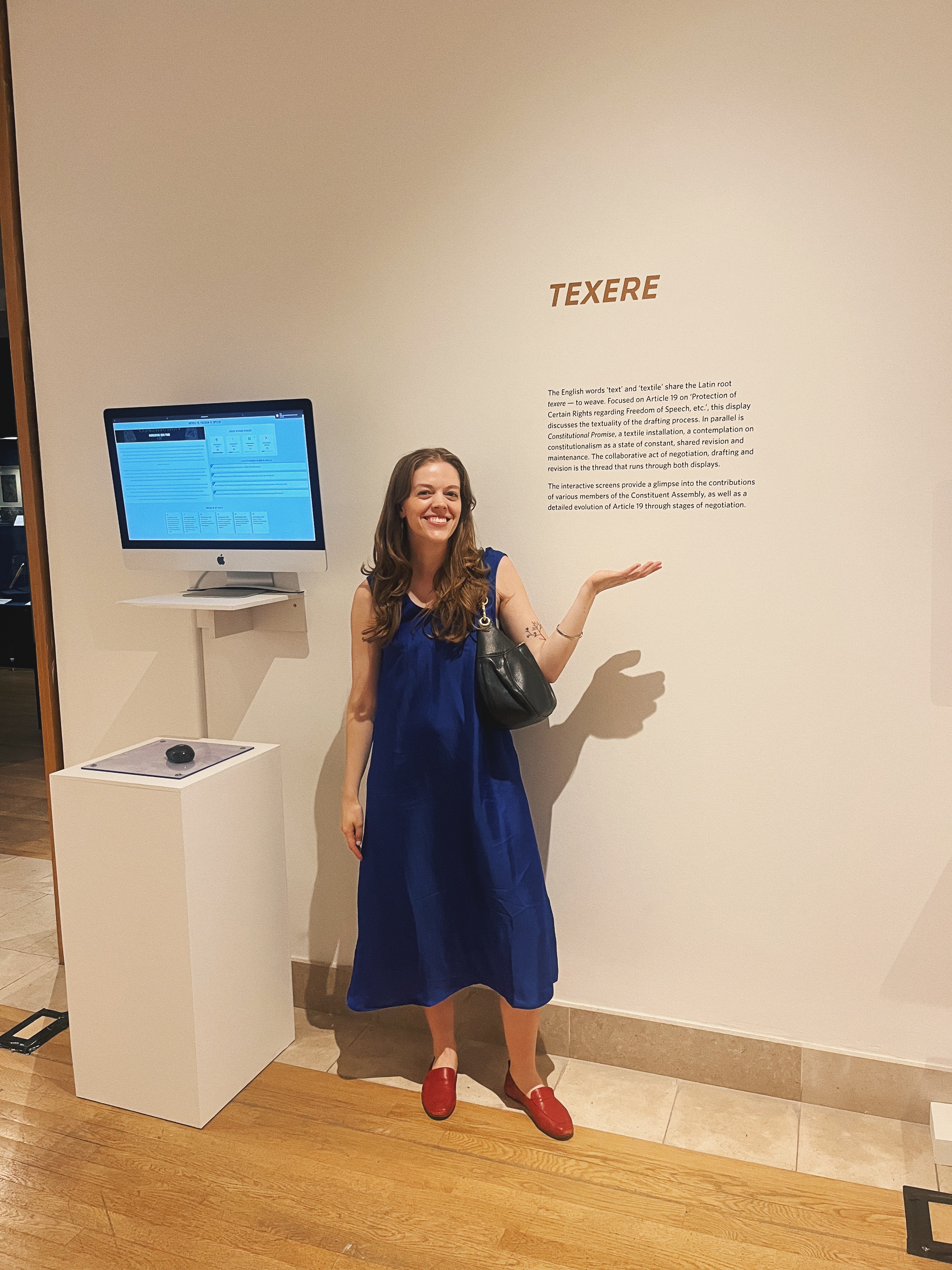
Among the materials on display are petitions, letters, and correspondence submitted by citizens and civil society organizations to the Constituent Assembly (1946–49),.and a new digital platform that makes the plenary and committee debates of the Assembly accessible together for the first time. Items from LSE Library’s archives further highlight the role of South Asian thinkers and political leaders connected to London in the early twentieth century, notably Dr B.R. Ambedkar.
Rather than presenting the Constitution as a fixed artefact, After the Assembly situates it as a living document shaped by diverse voices, then and now. Through archival and artistic lenses, it demonstrates how India’s Constitution was forged amidst profound disagreement, and how its interpretation continues to evolve through scholarship, activism, and cultural production.
The exhibition runs at SOAS Gallery, Brunei Gallery (Russell Square, London), from 17 July to 20 September 2025. Free entry, open Tuesday–Saturday 10:30–17:00, with late opening on Thursdays until 20:00.
In celebration of the 75th Anniversary of the Indian Constitution, our project team came together to discuss their research on the Pluralistic Agreement and Constitutional Transformation project.


















 Pluralist Agreement and Constitutional Transformation